
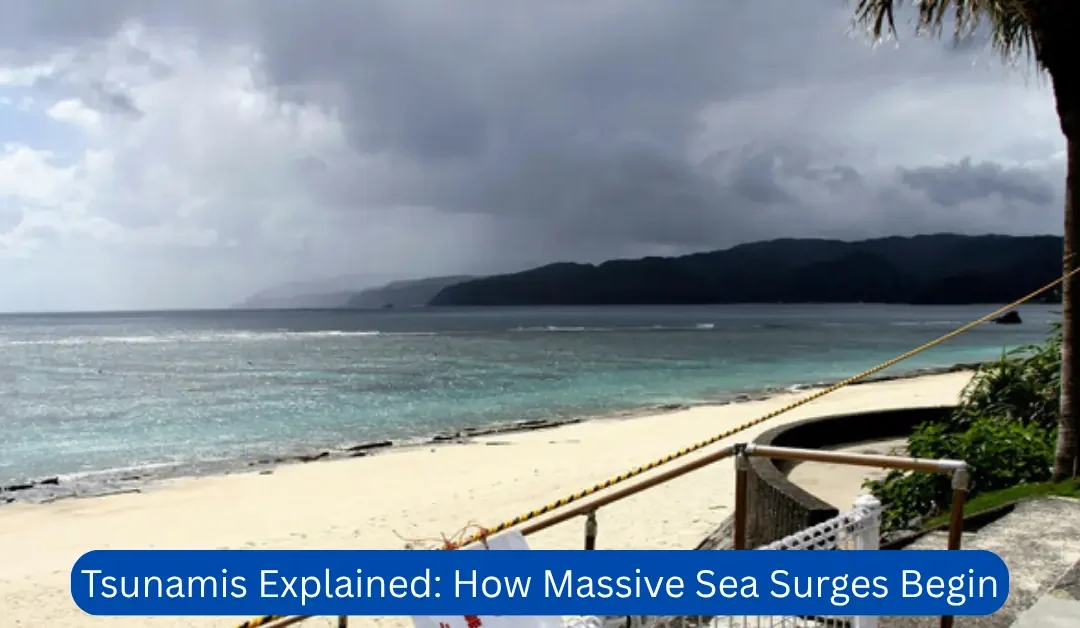
A very powerful earthquake hit Russia’s Far East recently. It was one of the strongest earthquakes ever recorded, with a magnitude of 8.8. This natural disaster caused tsunami warnings in many places, including Hawaii, North and Central America, Japan, and the Pacific islands.
What Is a Tsunami?
A tsunami is a large wave or series of waves that comes from the ocean and crashes onto land. These waves can be taller than 100 feet (30.5 meters). When they hit the shore, they can destroy homes, roads, and take many lives. These waves move fast and can be very dangerous.
Key Facts About Tsunamis
- Tsunamis often come after strong earthquakes under the ocean.
- These waves can travel as fast as 500 miles (805 kilometers) per hour.
- Most tsunamis happen in the Pacific Ocean’s “Ring of Fire” because it has many earthquakes and volcanoes.
What Causes a Tsunami?
Most tsunamis start with big earthquakes under the sea. These earthquakes happen where two parts of the Earth’s surface, called tectonic plates, move and crash into each other. When the seafloor moves suddenly, it pushes water up or down, which creates big waves that travel across the ocean.
Sometimes, tsunamis are also caused by underwater landslides, volcanic eruptions, or even meteorites crashing into the ocean.
How Climate Change Can Make Tsunamis Worse
Climate change is warming the Earth, and this can cause more landslides, especially in countries like Alaska, Chile, Canada, and Norway. Melting glaciers and ice make the ground unstable, which can fall into the sea and create waves. Melting ice can also cause volcanoes to erupt more often.
But the biggest problem is rising sea levels. The National Oceanic and Atmospheric Administration (NOAA) says the global sea level has gone up by 8–9 inches since 1880, and it’s rising faster every year. Higher sea levels make tsunami waves reach further inland, increasing damage.
How Tsunamis Travel
Tsunamis can cross oceans in less than a day. In deep water, they may look small, but when they reach land and enter shallow water, they grow taller and more powerful. The bottom of the wave slows down, while the top keeps moving fast, making the wave rise high.
Signs of a Tsunami Coming
- The water suddenly pulls back from the shore, showing the sea floor.
- People near the beach should run to higher ground immediately.
- Never assume the danger is over after the first wave. Tsunamis come in a series of waves called a wave train.
Some tsunamis do not look like huge waves. Instead, the water may rise quickly, like a fast-moving flood.
Tsunami Alerts: What They Mean
There are four levels of tsunami alerts from the National Weather Service:
- Warning – Very dangerous. Big flooding is expected. People should evacuate quickly.
- Advisory – Strong waves and currents. Stay away from beaches and rivers.
- Watch – A tsunami might come. Stay alert and prepare to leave.
- Information Statement – An earthquake happened, but there is no tsunami danger yet.
Types of Tsunamis
- Local Tsunami – Reaches the shore in minutes. Very dangerous.
- Distant Tsunami – Takes several hours to arrive. For example, a tsunami from Russia could take 7–8 hours to reach the U.S.
Tsunamis are one of the most dangerous natural disasters. With the recent earthquake in Russia, many people around the world are watching closely. This Breaking News event reminds us how important it is to understand tsunami warnings and be ready to act fast.
Stay tuned for more Daily news highlights and updates on natural disasters, climate change effects, and safety tips for coastal areas.


