
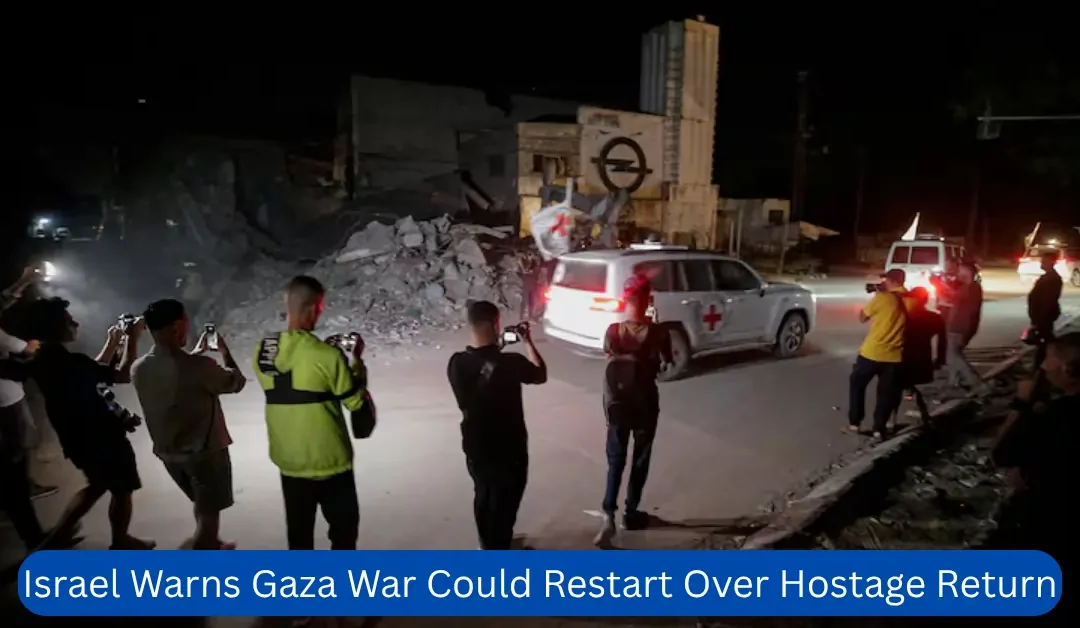
Breaking News: Israel’s Defense Minister, Israel Katz, has warned Hamas that the military could resume operations in Gaza if the militant group fails to return all Israeli hostages’ bodies. This statement underscores the fragile nature of the current ceasefire, which was negotiated with the assistance of the United States.
Israel Katz emphasized that the goal is not only to retrieve hostages but also to achieve “all objectives of the war,” signaling that military action could restart if the deal is not fully honored.
Background of the Ceasefire Agreement
The ceasefire, effective since October 10, 2025, aims to halt violence and allow humanitarian aid into Gaza. Under the agreement:
- Hamas promised to release all living Israeli hostages.
- Hamas agreed to return the remains of deceased captives.
- Israel committed to releasing roughly 2,000 Palestinian prisoners.
This deal is seen as a temporary pause in hostilities, giving both sides a chance to negotiate further, but it remains delicate.
Hostage Returns and Ongoing Disputes
By October 15, Hamas had returned eight bodies. Israel raised concerns that one body might not match a known hostage, raising questions about the completeness and accuracy of the returns.
Hamas stated that they had returned all accessible bodies and that retrieving the rest would require special equipment due to heavy destruction in Gaza, including collapsed buildings and underground tunnels.
The Israeli government has insisted that all hostages’ remains be returned before any further easing of restrictions, including the delivery of humanitarian aid.
Humanitarian Situation in Gaza
The ceasefire also includes provisions for aid, but humanitarian access remains limited. UN officials and aid organizations have called for immediate reopening of crossings into Gaza to provide food, medical supplies, and essential goods to civilians.
Trucks carrying humanitarian aid have been seen approaching the Rafah crossing from Egypt, but Israeli restrictions have slowed delivery. Humanitarian experts warn that any delay could worsen the already critical conditions, especially as hospitals struggle with shortages of medicine and fuel.
International Reactions
U.S. President Donald Trump, who helped mediate the ceasefire, stressed the importance of Hamas complying with the agreement. He noted that retrieving bodies is a “gruesome and difficult process,” as some are under rubble or buried in tunnels, and expressed hope that Hamas would complete its obligations.
Other global leaders have called for calm and urged both sides to adhere strictly to the ceasefire. Analysts highlight that the situation in Gaza remains volatile and could escalate if either side takes unilateral action.
Looking Ahead
The coming days are critical. Israel’s threat, combined with the humanitarian needs of Gaza, has placed the ceasefire under intense scrutiny. Experts warn that delays in returning bodies or delivering aid could trigger renewed conflict, while successful cooperation might stabilize the region temporarily.
The international community continues to monitor developments closely, emphasizing diplomatic pressure and humanitarian considerations over military escalation.


