
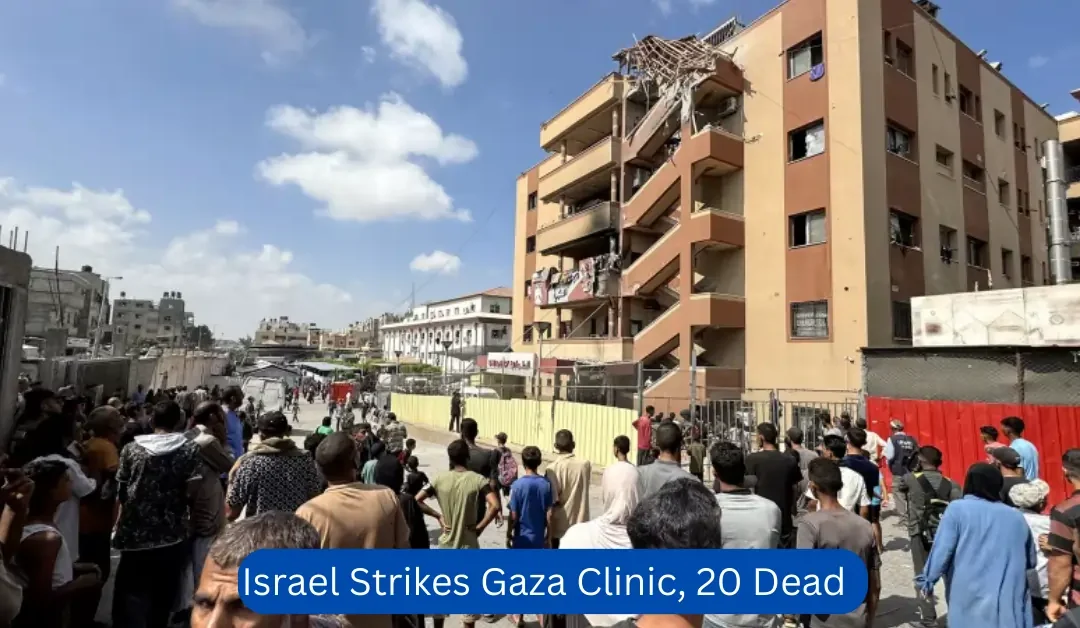
A Deadly Attack on Nasser Hospital
In the Latest News from the Middle East, Israel is facing huge international criticism after two strikes hit Nasser Hospital in Khan Younis, Gaza. According to the Palestinian Ministry of Health, at least 20 people were killed, including five journalists, four medical workers, and emergency responders. Many others were seriously injured.
Witnesses say the strikes came only minutes apart, a method often called a “double tap” strike. The first hit the hospital building, and the second struck rescuers and emergency crews rushing to help. Video footage shows chaos as explosions filled the hospital with smoke, forcing people to run for their lives.
Israeli Prime Minister Benjamin Netanyahu later admitted that journalists and medical staff had been killed, calling the deaths a “tragic mishap.” Still, the attack has triggered worldwide condemnation, as hospitals are meant to be protected zones under international law.
Journalists Among the Victims
Among those killed were respected journalists:
- Mohammad Salama, cameraman for Al Jazeera.
- Hussam Al-Masri, a Reuters contractor.
- Mariam Abu Dagga, who worked with AP and other outlets.
- Freelancers Moath Abu Taha and Ahmed Abu Aziz.
Gaza’s Civil Defense also confirmed one of its crew members died in the strike. The Daily news highlights point out that this has become one of the deadliest single attacks on international journalists since the Gaza conflict began.
International journalist groups reacted with outrage. The Associated Press (AP) and Reuters demanded “urgent and transparent accountability” from Israel, warning that freedom of the press was under direct attack. The Foreign Press Association in Israel called it a “watershed moment”, saying too many journalists in Gaza have been killed without justification.
Israel’s Response and Investigation
The Israeli Defense Forces (IDF) admitted it carried out a strike “in the area of the hospital.” Officials claim the hospital roof was being used by Hamas to monitor Israeli movements with a camera. According to one Israeli security official, troops were authorized to target the camera with a drone. Instead, tank shells were fired — one at the camera and another that tragically hit rescue teams.
Brig. Gen. Effie Defrin said the IDF operates in an “extremely complex reality” and does not intentionally target civilians. He promised a professional investigation, though critics doubt the IDF’s ability to investigate itself fairly. Many international observers believe this attack could be considered a war crime.
Prime Minister Netanyahu expressed regret, saying Israel “deeply values the work of journalists and medical staff.” However, rights groups argue that apologies are not enough when repeated strikes on media workers are happening.
A Global Outcry
This incident has made Breaking News headlines worldwide. Media organizations, rights groups, and humanitarian agencies have called for justice. The Committee to Protect Journalists (CPJ) accused Israel of deliberately targeting reporters. CPJ President Jodie Ginsberg told CNN that the strikes appeared to be unlawful killings, especially the “double tap” attack that hit first responders.
Al Jazeera condemned the incident as a “horrific crime”, while Hamas accused Israel of trying to silence journalists who expose war crimes and human suffering. The United Nations and several European governments are also demanding accountability.
For many, this is not just about one hospital strike. It represents a growing trend where journalists, medics, and civilians are losing their lives despite being protected under international law.
War Continues and Future Uncertainty
The Gaza conflict continues to escalate, leaving civilians in a desperate situation. Families have been displaced, hospitals are overwhelmed, and essential supplies are running out. The deaths of journalists such as Mariam Abu Dagga have highlighted the risks of covering this war. Abu Dagga had told reporters last year that documenting the suffering in Gaza was her journalistic duty, despite the personal danger.
Meanwhile, U.S. President Donald Trump claimed the war could end “within two to three weeks,” though he gave no evidence for this timeline. Many doubt this prediction, as violence and strikes are still ongoing.
As international pressure grows, many are asking whether this moment will push governments to demand stronger protection for journalists and civilians in war zones. Until then, the Daily news highlights continue to report on a region trapped in violence, grief, and uncertainty.


