
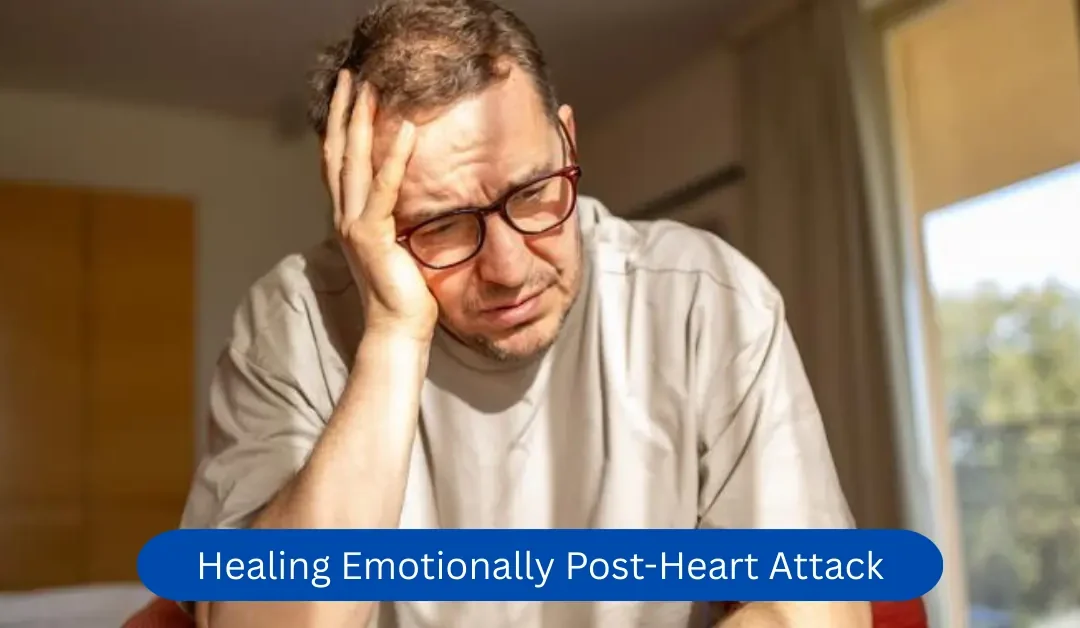
When someone survives a heart attack, the first focus is usually on physical recovery. Doctors check the heart, prescribe medicines, and suggest lifestyle changes. But what many people don’t realize is that emotional healing is just as important.
In recent Latest News reports and health Daily news highlights, experts have been speaking more openly about the emotional impact of heart disease. After a life-threatening event like a heart attack, feelings such as sadness, fear, and anger are very common. If these emotions are ignored, they can slow down recovery.
1. Emotional Reactions Are Normal
A heart attack often happens suddenly. One moment you feel fine, and the next moment you are in an ambulance rushing to the hospital. That shock can deeply affect the mind.
Doctors say up to half of all heart attack survivors experience some kind of psychological distress. This means they may:
- Feel sad or hopeless about the future
- Worry constantly about having another heart attack
- Become easily irritated or angry
- Lose interest in activities they once enjoyed
Dr. Jeffrey Huffman, a psychiatrist and heart health expert, explains that feeling emotionally shaken after such an event is completely understandable. However, if these feelings last too long or become intense, they should not be ignored.
2. Common Emotional Problems After a Heart Attack
Health experts now recognize that emotional problems are closely linked to heart disease. In fact, there is even a medical term for emotional distress after a heart attack: post-myocardial infarction psychological distress (PMPD).
This condition can include several mental health issues.
Depression
Depression is one of the most common emotional problems after a heart attack. Signs include:
- Ongoing sadness
- Loss of appetite
- Trouble sleeping
- Low energy
- Difficulty concentrating
Some people feel hopeless and think their life will never be the same again.
Anxiety
Anxiety is also very common. A person may constantly worry about another heart attack. Even small physical sensations like a fast heartbeat or chest tightness can cause panic.
It is important to talk to a doctor about these symptoms. Sometimes chest pain or palpitations may be medical issues, not just anxiety.
Stress and PTSD
Daily stress can feel much heavier after a heart attack. Small problems that once seemed manageable can now feel overwhelming.
Some people may even develop post-traumatic stress disorder (PTSD). They might have nightmares, flashbacks, or feel jumpy and afraid. Studies show that between 4% and 21% of heart attack survivors may experience PTSD symptoms in the months after the event.
In some cases, depression and anxiety combine and may show up as anger or irritability, especially in men.
3. Why Emotional Health Affects Physical Recovery
The connection between the brain and the heart is very strong. Emotional distress does not just affect mood — it also affects the body.
When someone is stressed or depressed:
- The body produces more stress hormones
- Blood pressure and heart rate increase
- Inflammation in the body rises
- Blood clots may form more easily
All of these changes can increase the risk of another heart problem.
But there is another big issue: behavior. People who feel depressed or anxious are less likely to follow healthy habits. They may skip medications, avoid exercise, or eat unhealthy foods.
In recent Breaking News health discussions, experts have warned that ignoring emotional recovery can increase the risk of future heart attacks.

4. Advice for Family and Friends
Loved ones play a very important role in recovery.
If you notice that a family member who had a heart attack seems withdrawn, fearful, or unusually angry, do not ignore it. Instead:
- Gently ask how they are feeling
- Encourage open conversation
- Suggest speaking with a doctor
- Offer support during medical visits
For example, someone might avoid walking because they are afraid their heart cannot handle it. A simple conversation with their cardiologist can provide reassurance about safe activities.
If emotional problems prevent someone from following their recovery plan, it is time to seek professional help.
5. The Role of Cardiac Rehabilitation
One of the best ways to support both physical and emotional healing is through cardiac rehabilitation.
Cardiac rehab is a medically supervised program that includes:
- Safe exercise training
- Education about heart health
- Counseling and emotional support
Patients in cardiac rehab are surrounded by others who have gone through similar experiences. This shared understanding can reduce feelings of isolation.
Doctors often provide psychological assessments during rehab and can connect patients with therapists if needed.
According to health experts featured in Daily news highlights, people who attend cardiac rehab are more likely to recover faster and reduce their risk of future heart problems.
6. When to Seek Professional Help
It is normal to feel sad or worried after a heart attack. But if these feelings:
- Last for weeks
- Get worse instead of better
- Interfere with sleep, appetite, or daily activities
- Cause constant fear or panic
Then it is important to seek help.
Mental health treatment may include therapy, medication, stress management techniques, or support groups.
There is no shame in asking for help. Emotional recovery is just as important as physical recovery.


