
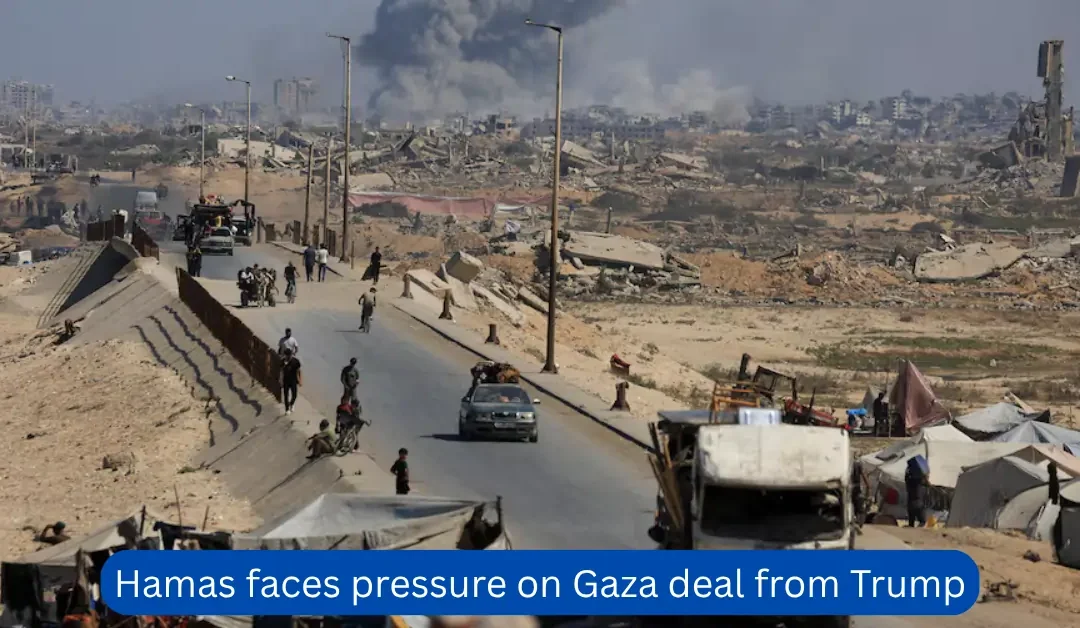
Hamas Under Pressure as Trump’s Gaza Plan Looms
A U.S.-backed ceasefire proposal for Gaza has sparked intense debate. On Tuesday, Hamas was considering a 20-point plan. President Donald Trump described it as “beyond very close” to ending the two-year conflict. This has now become Breaking News in the world of diplomacy and war.
Mediators from Qatar and Egypt handed the plan to Hamas late Monday. This came just after Israeli Prime Minister Benjamin Netanyahu joined Trump at the White House, pledging support for the deal, saying it aligns with Israel’s goals. Hamas was not part of the talks that created the plan, which asks them to lay down arms—a demand they have rejected earlier.
A source close to Hamas told Reuters the plan was “completely biased to Israel” and carried “impossible conditions” aimed at erasing the group. But another source said Hamas would examine it “in good faith” and issue a response.
This development is now part of the Latest News cycle and will be featured in Daily news highlights in many media outlets.
What’s in the Trump Proposal?
Here are key points of the 20-point plan:
- Immediate ceasefire between Israel and Hamas
- Exchange of all hostages held by Hamas for Palestinian prisoners held by Israel
- Phased Israeli withdrawal from Gaza
- Disarmament of Hamas
- A transitional government run by an international body
These demands are similar to past ceasefire ideas, many times proposed over the last two years. Both Israel and Hamas have accepted or rejected them at different times.
Hamas’s key condition all along has been full Israeli withdrawal from Gaza in exchange for the hostages. They have said they would give up administrative control if needed, but they refuse to disarm.
A Palestinian official (anonymous) told Reuters:
“Trump has proposed full adoption of Israeli conditions, giving no real rights to Palestinians or Gaza residents.”
Pressure from Many Sides
- Trump warned Hamas that if it rejects the plan, Israel will have full U.S. backing to take any action deemed necessary.
- Foreign ministers from Saudi Arabia, Jordan, UAE, Qatar, and Egypt have all welcomed the proposal.
- Turkey’s intelligence chief will join Qatar and Egypt in Doha to discuss the plan further. Turkey has not been a major mediator in Gaza talks so far.
- It was unclear whether Hamas representatives would attend those meetings. In their last meeting in Qatar over a U.S. peace plan, Israel had even tried (and failed) to target Hamas leaders there.
- Netanyahu, though initially supporting the plan, later expressed doubts—especially over Palestinian statehood, which he opposes.
- He faces domestic pressure: war fatigue among Israelis, and demands from his far-right ministers, who might abandon him if he concedes too much.
These dynamics make this one of the most volatile moments in the Breaking News landscape.
On the Ground in Gaza
- Some Palestinians in Gaza welcomed the plan, hoping it will stop bombing and deaths. But many doubted it would end Israel’s deep control over the enclave.
- Salah Abu Amr, a 60-year-old father of six from Gaza City, said:
“We want war to end. But the occupation army that killed so many must leave us alone. We hope the plan works—but can we trust Trump or Netanyahu?” - Israel launched its assault after the October 7, 2023, Hamas attack, in which about 1,200 people died and 251 were taken hostage.
- Over 66,000 people have died in Gaza, according to Gaza health authorities.
- Israeli forces have pushed into Gaza City, the heart of the territory, which Netanyahu calls the last “Hamas bastion.”
- Planes also dropped leaflets ordering civilians to leave the city heading south. One message read
“The battle against Hamas is decisive and will not end until it is defeated.”
This moment is not just about diplomacy, but about lives and power. It will dominate Daily news highlights and global conversation.


