
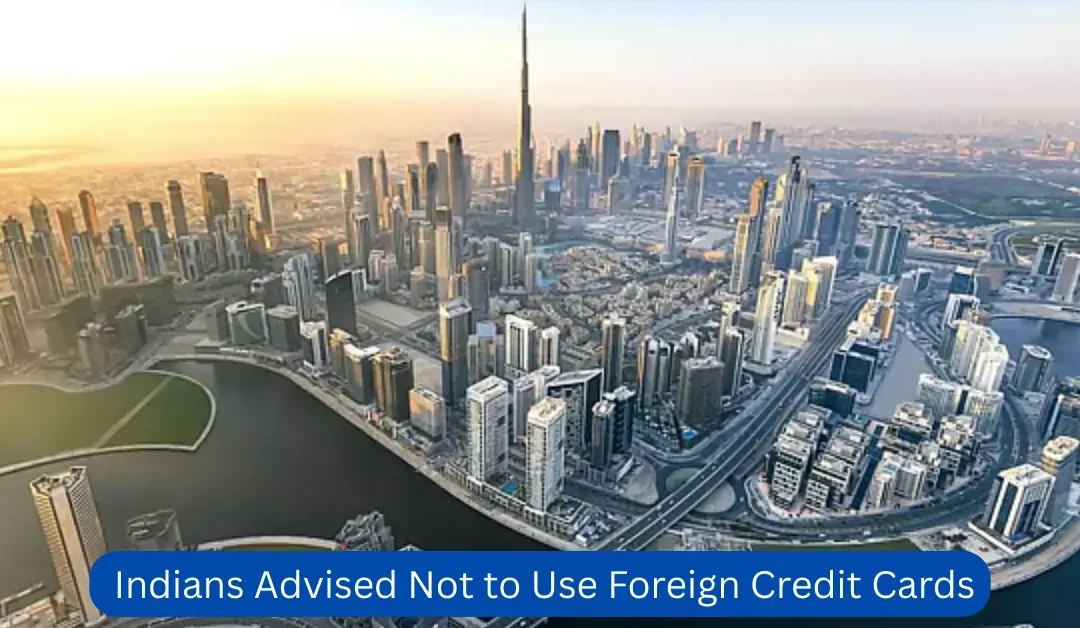
Indian residents planning to buy property in Dubai have been warned against using international credit cards (ICCs) for down payments. Experts say this can lead to legal troubles and financial risks. Many buyers think using ICCs is easy, but it can violate laws in India and other countries.
Why Using ICCs Can Be Risky
According to experts, ICCs are only meant for current account transactions like shopping, travel, or education payments. Buying property is a capital account transaction, which is different from these routine payments. Using an ICC for overseas property bypasses the legal system and can create problems with Indian authorities.
Some buyers have already faced issues when trying to pay for Dubai property with international credit cards. They encountered regulatory challenges and extra scrutiny from banks and tax authorities. This shows how risky such transactions can be.
What Indian Law Says
Under Indian law, the Foreign Exchange Management Act (FEMA) treats property purchases abroad as capital account transactions. International credit cards are not allowed for these transactions. Instead, Indian residents must use the Liberalised Remittance Scheme (LRS), which is the legal way to send money abroad for property purchases.
The Reserve Bank of India (RBI) allows Indian residents to remit up to $250,000 per financial year through authorised banks under LRS. This ensures that the money transfer follows tax rules, reporting requirements, and government regulations. Skipping this legal path and using an ICC is considered a violation of FEMA.
Some developers allow buyers to pay a small portion of the down payment as a reserve, usually less than Dh80,000, giving more time to complete payments legally through banks.
Financial and Legal Risks
Using ICCs for property payments is not just a legal issue; it is financially unsafe. ICCs often charge high interest rates, foreign exchange mark-ups, and late payment fees. This can make buying property very expensive.
Experts warn that people using ICCs illegally may face investigations from the RBI, Income Tax Department, or Enforcement Directorate (ED). Legal action can also follow, including penalties for violating FEMA.
Anurag Chaturvedi, CEO of Andersen UAE, said, “Buying property abroad with an ICC is like trying to pay for a house with a travel wallet. It is not permitted and can cause serious trouble.”
How to Buy Property Abroad Safely
- Use the LRS: Always transfer money for property purchases through a bank under the $250,000 limit per year.
- Proper Documentation: Keep all payment records, contracts, and bank statements ready. This helps avoid issues with RBI or tax authorities.
- Consult Experts: Talk to a financial advisor or legal consultant before making international property investments.
- Follow Transparent Processes: Work with developers and agents who follow the law. This protects your investment and prevents unexpected problems.
Key Takeaways for Buyers
Dubai is a popular place for Indian buyers due to attractive property options. But ignoring the rules can be costly and risky. Always follow legal channels, use LRS, and avoid ICCs for property payments.
By doing this, buyers can enjoy smooth investments, avoid penalties, and stay safe.
Latest News: Indian buyers face regulatory warnings for using ICCs to pay for Dubai property.
Breaking News: Experts advise all Indian investors to follow LRS rules for overseas property.
Daily news highlights: Stay updated on the latest property investment regulations, legal guidelines, and safety tips.


