
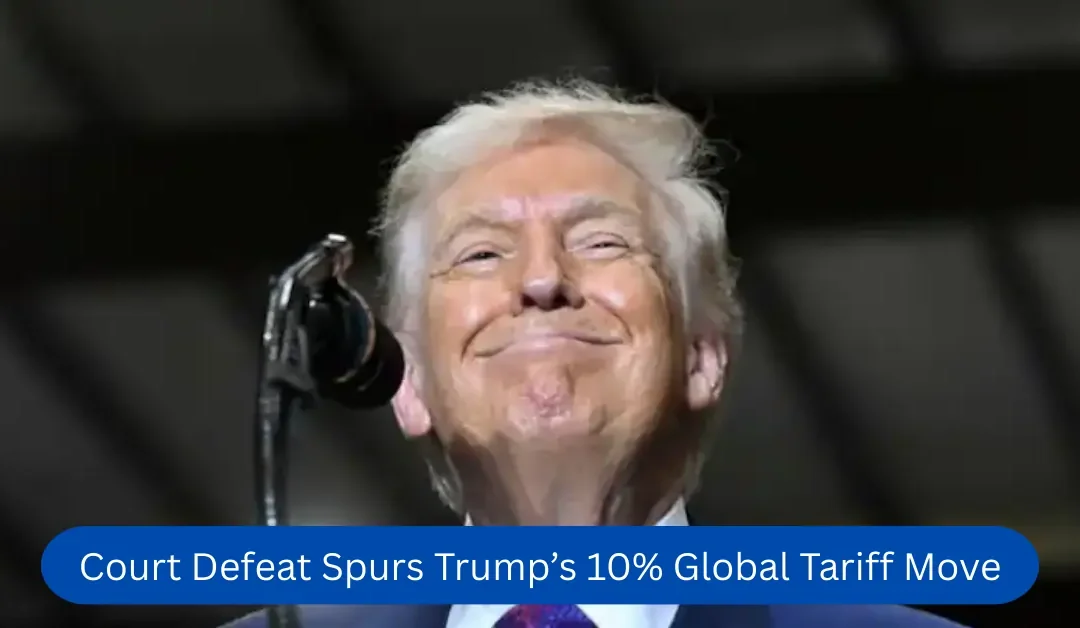
In a dramatic turn of events that quickly became part of the Latest News and even Breaking News, Donald Trump signed a new order imposing a 10 percent tariff on imports from countries around the world. This decision came only hours after the Supreme Court of the United States struck down much of his earlier and broader tariff plan.
The back-to-back developments created a strong political reaction and immediately dominated Daily news highlights across major media platforms. The situation has once again placed US trade policy, the US economy, and global markets in the spotlight.
What Happened in the Supreme Court?
The Supreme Court ruled against a large part of Trump’s earlier sweeping tariffs. The judges said that the method used to impose those wide-ranging import duties went beyond the limits of presidential authority under the law.
This was seen as a major legal setback for Trump. The earlier tariffs were broader and affected many trading partners. The Court’s decision forced the administration to rethink its strategy.
Key points about the ruling:
- The Court limited the President’s power to impose long-term sweeping tariffs.
- It said certain actions did not fully follow the legal framework set by Congress.
- The decision created immediate uncertainty in global markets.
The ruling was a serious blow, especially since Trump has always defended tariffs as a strong tool to protect American jobs and boost government revenue.
Trump’s Immediate Response
Instead of stepping back, Trump responded within hours. He signed a new order placing a 10 percent tariff on imports worldwide. However, this time the tariffs are being imposed under a law that allows them for only 150 days.
In a post on his social media platform, Truth Social, Trump strongly criticized the Supreme Court. He said he was “ashamed” of the justices who voted against his earlier tariff plan. He also described the ruling as “deeply disappointing.”
Trump made it clear that he sees this as just the beginning of what he called an “adjustment process.” According to him, the new tariffs will help the United States collect even more revenue than before.
Important aspects of his reaction include:
- He openly attacked the Court’s decision.
- He defended tariffs as “proper and acceptable.”
- He promised to increase government income through trade measures.
His strong language shows how central tariffs are to his economic policy.
Why Tariffs Matter So Much to Trump
For Trump, tariffs are not just economic tools. They are also political statements. He has long argued that the United States has been treated unfairly in global trade deals. According to him, tariffs are a way to protect American industries and workers.
Supporters say tariffs can:
- Encourage domestic manufacturing.
- Reduce trade deficits.
- Increase government revenue.
Critics, however, argue that tariffs can:
- Raise prices for consumers.
- Hurt global supply chains.
- Create tension with trading partners.
The new 10 percent global tariff is expected to affect a wide range of goods, from electronics to machinery and consumer products.
Impact on the US Economy and Global Markets
The announcement has already caused reactions in financial markets. Investors are closely watching how this move will affect the US economy and international trade relations.
Some experts believe that short-term tariffs under the 150-day rule may create uncertainty but are less disruptive than permanent ones. Others warn that even temporary trade barriers can slow economic growth.
Possible effects include:
- Higher import costs for American businesses.
- Increased prices for certain goods.
- Diplomatic tensions with major trading partners.
At the same time, Trump insists that the policy will generate more income for the US government. He believes the additional revenue can help support national programs and reduce economic pressure.

Political Reactions and Public Debate
The decision has sparked intense political debate in Washington. Lawmakers from different parties are divided on the issue.
Some Republicans support Trump’s aggressive trade stance, saying it shows strength and protects American interests. Meanwhile, many Democrats argue that attacking the Supreme Court undermines the balance of power between branches of government.
The clash also raises bigger questions about presidential authority. The Constitution gives Congress the main power over trade. However, over the years, presidents have been granted certain emergency powers. The Court’s ruling appears to set new limits on how far those powers can go.
This legal and political battle is likely to continue in the coming months.
What Happens Next?
Because the new tariffs are limited to 150 days, the administration will need to decide what steps to take before that period ends. There are several possibilities:
- Seek new legislation from Congress.
- Adjust the tariff structure to meet legal standards.
- Negotiate new trade agreements.
Trump has made it clear that he does not plan to step back. His statement that “the adjustment process begins” suggests more changes could come soon.
For now, businesses, investors, and global leaders are watching closely. The situation remains fluid, and further developments are expected to stay in the Latest News cycle for weeks.
A Defining Trade Moment
This episode highlights the ongoing tension between the White House and the Supreme Court. It also shows how trade policy remains a powerful and controversial issue in American politics.
Trump’s decision to move quickly after the Court setback sends a clear message: he is determined to push forward with his economic agenda, even when facing legal challenges.
Whether the new 10 percent tariffs will strengthen the US economy or create fresh economic challenges is still uncertain. What is clear is that this dramatic series of events has reshaped the national conversation on trade, presidential power, and the future of global commerce.
As part of today’s Daily news highlights, the story reflects how quickly political and legal developments can change the economic direction of a country. And with markets reacting and political debates intensifying, this issue is far from over.


