In the Latest News, Australia has introduced a world-first law that blocks children under 16 from using social media. This rule has created Breaking News discussions in the United States, Europe, and many other countries. The Australian online safety regulator, eSafety Commissioner Julie Inman Grant, said that this new law is necessary to protect young people. She also said that many American parents want the same kind of rules in their own country.
This topic is now trending worldwide under viral news, digital safety, and social media updates, making it a major part of today’s Daily news highlights.
Why Australia Says the Ban Is Needed
Julie Inman Grant explained in simple terms that Australia is allowed to make safety rules for anything that enters the country—even if it comes from big U.S. tech companies. She compared it to safety rules for toys, food, medicines, and cars.
She said many American parents tell her:
- They want stronger rules for teen safety
- They feel social media companies only focus on profits
- They believe online platforms are not doing enough to protect children
Inman Grant said she hears this message everywhere: “We want an eSafety Commissioner in America too.”
Tech Giants Criticize the Law
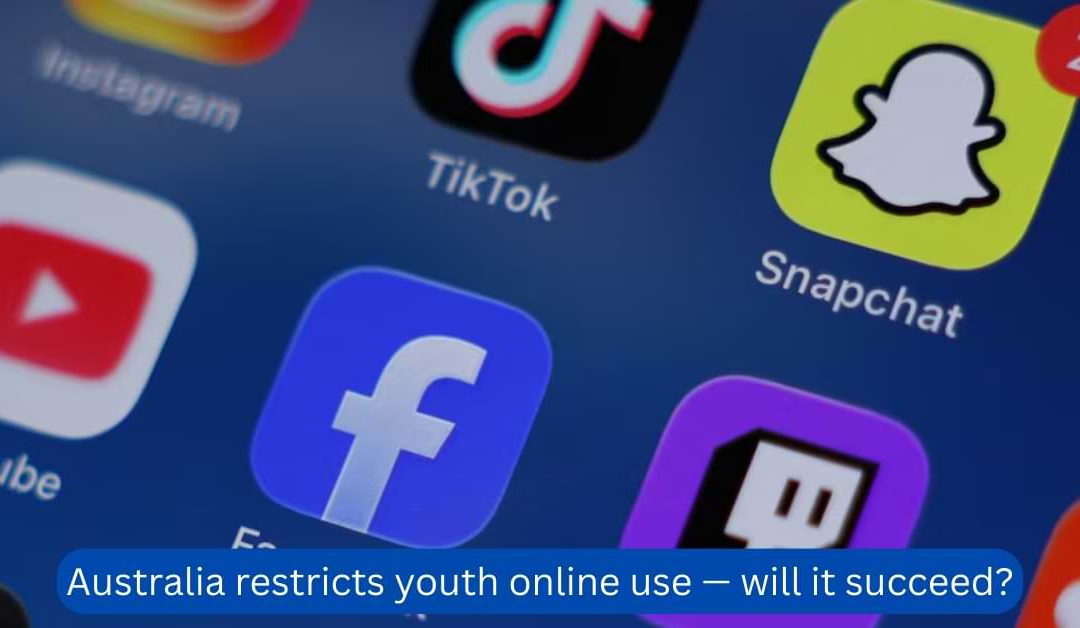
Some of the world’s biggest social media companies, including Meta, TikTok, Snapchat, and YouTube, have protested against the new law. They argue that it:
- Could harm free speech
- Could be too difficult to enforce
- Might set a strong example that other countries follow
But the eSafety Commissioner strongly rejected these complaints. She said platforms cannot claim “technological exceptionalism”—a phrase she uses to describe tech companies pretending they should not follow the same rules as other industries.
She said:
- Every consumer product has safety requirements
- Every company should take responsibility
- Children deserve protection before profits

Why This Law Matters Globally
Governments in Europe, Asia, and the Middle East are now watching Australia closely. Many are considering similar laws because of concerns about:
- Cyberbullying
- Body-shaming and mental health
- Violent or harmful online content
- Radicalization of young people
- Dangerous algorithms designed to keep teens online longer
Julie Inman Grant said these harmful systems are built to “keep users hooked through anger and outrage.” She called this one of the biggest dangers for young minds.
Meanwhile, the United States has not been able to create similar rules. Some U.S. states tried to introduce age limits, but:
- Courts blocked the rules
- Tech companies challenged them
- Federal laws have not passed despite years of debate
However, she believes the U.S. may eventually follow Australia’s lead.
Signs the U.S. Is Slowly Moving Forward
Julie Inman Grant shared that she already works with the U.S. Department of Homeland Security to stop the spread of harmful content, especially child exploitation material. She also said the new Take It Down Act, signed by President Donald Trump to ban AI-generated fake videos (deepfakes), copies what Australia has been doing for years.
This shows that:
- The U.S. is slowly adopting stronger online safety policies
- American parents and activists want more protection
- Some of Australia’s safety ideas are already being used in new U.S. laws
How the New Australian Law Will Work
Australia now requires social media platforms to block all users under 16. This rule officially starts on Wednesday.
The law applies to:
- TikTok
- Snapchat
- YouTube
- And other major platforms
The maximum penalty for not following the law is up to A$49.5 million (US$33 million).
Julie Inman Grant admitted that enforcing the law will be challenging because platforms can still break rules quietly. But she said something more powerful than punishment often forces companies to behave:
“Reputational damage.”
She explained that companies fear public shame more than financial penalties. People losing trust in their platform can hurt them more than a fine.


